
Ultra Worldwide’s Global Momentum: UMF TV’s European Broadcast and the Latin American Circuit That Follows
After Split comes Santiago. After the Adriatic comes the Andes. A look at where Ultra goes next and why the broadcast infrastructure that carried Ultra Europe 2026 to the world matters more than any single set time.
Ultra Europe 2026 ended on the night of July 12 in Split, Croatia. The crowd dispersed. The stages went dark. And then, as has become the defining characteristic of how Ultra operates in the modern festival landscape, the festival kept going, through screens, across time zones, in cities that had nothing to do with the Adriatic and every reason to be watching.
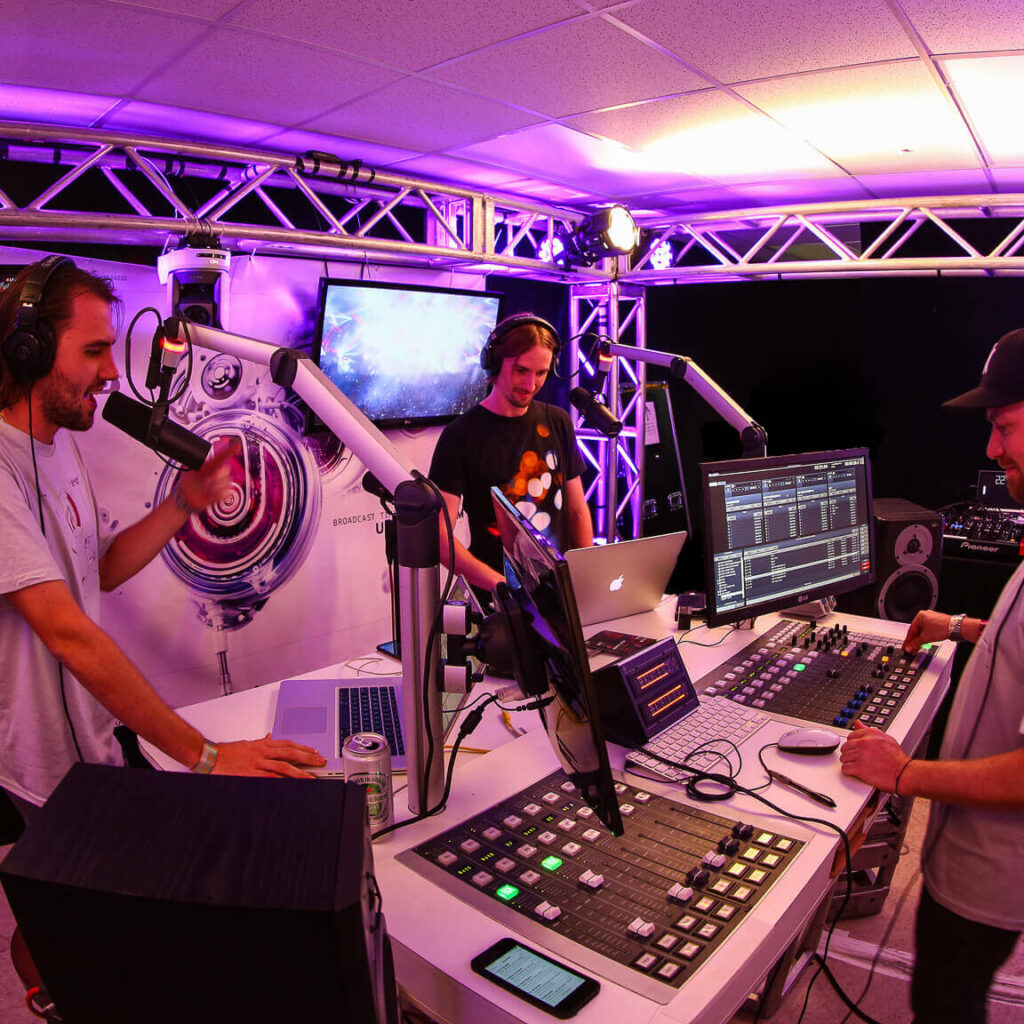
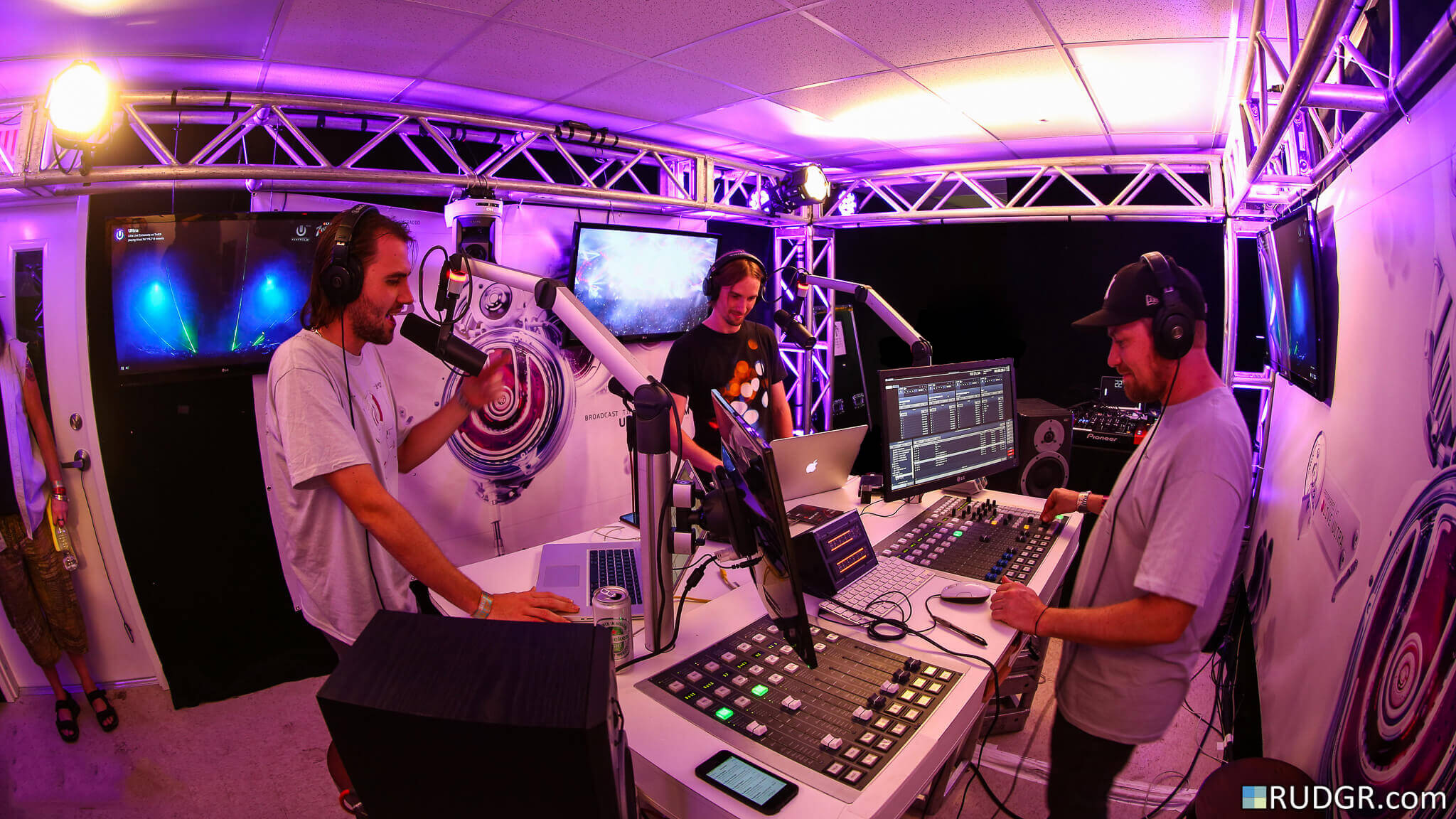
The mechanism behind that continuation is UMF TV, Ultra’s 24-hours-a-day, seven-days-a-week broadcast and media platform that has been running continuous content since well before the mainstream festival industry understood the value of what it was building. The #ULTRALIVE broadcast that streamed the July 10 through 12 Ultra Europe weekend free of charge via the UMF TV YouTube channel was not a supplementary feature or a secondary priority. It was, by the operational evidence of how Ultra structures its major events, a primary product. 150,000 people attended the festival in person across those three days. The global livestream audience that watched the same performances simultaneously from elsewhere was larger. It always is.
The sets that drew the highest viewership windows across the European broadcast were the ones that closed each night on the main stage. Afrojack, DJ Snake, and John Summit each commanded substantial real-time audiences during their headline sets across the three days, and FISHER’s 3:30 AM closing performance on Sunday night, the final main stage set of the entire festival, generated the kind of live viewership peak that only arrives when a streaming audience understands it is watching something that will not be repeated in that form. FISHER closing Ultra Europe at dawn on the Croatian waterfront is a specific thing that happened once. The people who watched it live via UMF TV, wherever they were in the world, were the ones who had the experience. The recording is different. The broadcast infrastructure that made that live experience available globally is what Ultra has been building and refining across more than a decade of streaming events, and the Ultra Europe 2026 window served as a testing ground for the technical and production scaling the platform plans to bring to future remote events across the Ultra Worldwide calendar.
UMF TV operates differently from a standard festival livestream precisely because it was never designed to function as one. It is a 365-day media channel whose content includes destination news, original programming, artist specials, cinematic aftermovies, and a deep archive of historical performances reaching back to Ultra’s earliest editions. The live broadcast windows around major festival weekends are its highest-traffic moments, but they sit inside a year-round content ecosystem that keeps the Ultra audience engaged between events. That architecture is why the Ultra Europe broadcast is not simply a replay question or a streaming convenience. It is an audience-building exercise with a documented year-round history behind it, and the viewership Ultra accumulates across each European broadcast window becomes part of the subscriber base that Ultra’s global expansion depends on to introduce its brand in new markets.
The broadcast infrastructure that made that live experience available to the world is what Ultra has been building for more than a decade. Ultra Europe 2026 served as a proving ground for the technical scaling the platform brings to every new market it enters.
Those new markets, in 2026, run south. Very far south.
Following the conclusion of Ultra Europe and the ongoing RESISTANCE Ibiza residency at Amnesia, the Ultra Worldwide calendar routes into Latin America for a late-season push that covers three distinct markets across the final months of the year. The confirmed stops are Guatemala City in Guatemala, Santiago in Chile, and Lima in Peru, each representing a different phase of Ultra’s penetration into a region that has been one of the most enthusiastic audiences for electronic music globally for the past two decades.
Guatemala City is, by the numbers of the Ultra Worldwide network, one of the more recent additions to the continental schedule. The RESISTANCE brand has had a presence in the country through its Resistance Guatemala operation at the Finca Tegucigalpa venue in Antigua, and the appetite for the full Ultra production in Central America has been building through that foundation. Bringing the main Ultra Worldwide event into Guatemala City places it in a capital of roughly 3 million people that sits at approximately 1,500 meters above sea level, one of the highest major cities in Central America, with a music culture that spans everything from traditional marimba to the kind of bass-heavy electronic programming that Ultra brings with it.
Santiago is a returning market for Ultra, one with a history of consistent audience turnout and a festival culture that has grown significantly over the past decade as the city has positioned itself as one of South America’s premier destinations for large-scale live events. Chile’s capital sits at the foot of the Andes, and that geography, mountains visible on clear days from almost anywhere in the city, creates a visual context for an outdoor festival that few locations in the Ultra Worldwide network can match. The Espacio Riesco venue, which has hosted RESISTANCE Santiago programming, has demonstrated that the Chilean audience shows up and stays. Ultra’s return to the market in the late-season window of 2026 builds on that base.
Lima is the most recent confirmed stop on the Latin American circuit, and it arrived on May 2, 2026, at the Club Cultural Chorrillos location, officially listed as the Cultural Lima venue on the Ultra Peru ticketing operation. The Peruvian capital’s relationship with Ultra dates back to an inaugural edition that drew over 18,000 attendees, and the fourth edition in 2026 reflects how quickly that audience has been established and maintained. Lima sits on the Pacific coast, the Explanada Costa Verde oceanfront space having hosted earlier editions with the Pacific as the backdrop, and the city of approximately 11 million people represents one of the largest urban concentrations on the South American Pacific coast that Ultra currently activates.
Taken together, Guatemala City, Santiago, and Lima form a Latin American circuit that reflects something specific about how Ultra Worldwide has chosen to build its international presence. Rather than concentrating on the largest possible single market in any given region and treating it as the total extent of regional operations, the brand has built a network of consecutive stops that allow a touring structure to develop, artists moving from one market to the next across a regional run, audiences in neighboring countries aware that the same event is happening within reach, and the broadcast infrastructure of UMF TV carrying each stop to the entire Latin American digital audience simultaneously. This is how a festival brand becomes a regional institution rather than a visiting attraction.
The larger picture of the 2026 Ultra Worldwide calendar, of which the UMF TV European broadcast and the Latin American expansion are two consecutive chapters, demonstrates the scope of what Ultra has built since its Collins Park debut in 1999. Active editions currently span six inhabited continents. Ultra South Africa ran across Johannesburg and Cape Town in April 2026. Ultra Australia and Ultra Beach Gold Coast returned after their 2026 announcement. Ultra Japan is confirmed for September 19 and 20, 2026. Ultra Mexico lands at Estadio Banorte in Mexico City in November. Ultra Buenos Aires ran at Parque de la Ciudad in February 2026. The inaugural Ultra New Zealand edition was announced. The map, at this point, has very few gaps, and the ones that remain are being filled deliberately and with the same quality standard that the flagship Miami event has maintained for 27 years.
What the UMF TV broadcast infrastructure makes possible in this context is something that no physical expansion can replicate: it allows every new market to be introduced to the full Ultra experience before a single ticket is sold there, and it allows every existing market to remain connected to the global community of the brand year-round. An audience member in Lima who watched the Calvin Harris main stage debut at Ultra Europe via the UMF TV livestream in July arrives at Ultra Peru in December having already been part of the same broader event ecosystem. That continuity, built through broadcast, maintained through the 24-hour content channel, and activated through live events on six continents, is what distinguishes Ultra Worldwide from a festival that happens to have international editions.
The European chapter of 2026 is finished. The Latin American chapter is either underway or approaching. And UMF TV is streaming all of it, for anyone who wants to watch, from anywhere that has a connection.