
Several weeks have now passed since the lights dimmed across Bayfront Park, the final fireworks disappeared above the Miami skyline, and hundreds of thousands of electronic music fans returned home from another unforgettable edition of Ultra Music Festival. The immediate excitement and social media frenzy that traditionally follows Ultra has settled into something far more revealing. The clips have been replayed. The livestream archives have been revisited. Fans have spent countless hours reliving performances through Ultra Music Festival Live Radio broadcasts, YouTube uploads, fan recordings, discussion forums, and endless debates across the global electronic music community.
What emerges from that reflection is often very different from what audiences experience in the moment. Festival weekends move at an impossible pace. One set bleeds into another. Massive announcements compete with surprise guests. New music premieres arrive every hour. It can be difficult to determine what truly mattered until the dust settles and listeners have time to revisit the performances with fresh ears.
Now that enough time has passed to separate hype from reality, Ultra Music Festival Miami 2026 stands as one of the strongest editions in recent festival history. It delivered landmark collaborations, career-defining performances, breakthrough moments, underground victories, and a handful of disappointments that generated their own conversations. More importantly, it demonstrated once again why Ultra remains one of the few festivals capable of producing moments that resonate long after the stages go dark.
Looking back at the weekend as a whole, one conclusion feels nearly universal among critics, longtime attendees, industry observers, and fans alike.
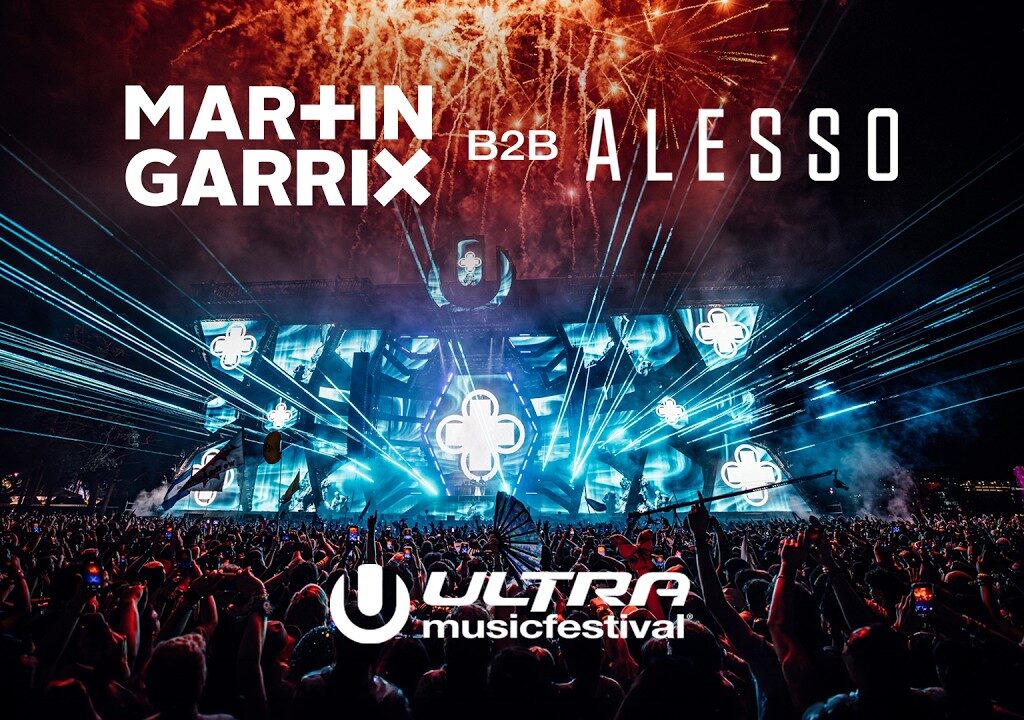
The defining performance of Ultra 2026 was the opening-night Main Stage collaboration between Martin Garrix and Alesso.
The significance of this performance cannot be overstated. Ultra has hosted legendary moments throughout its history. It has welcomed surprise reunions, farewell appearances, exclusive debuts, and iconic headline sets. Yet even by those standards, the first-ever Martin Garrix and Alesso back-to-back performance felt special before a single track was played.
What unfolded exceeded expectations.
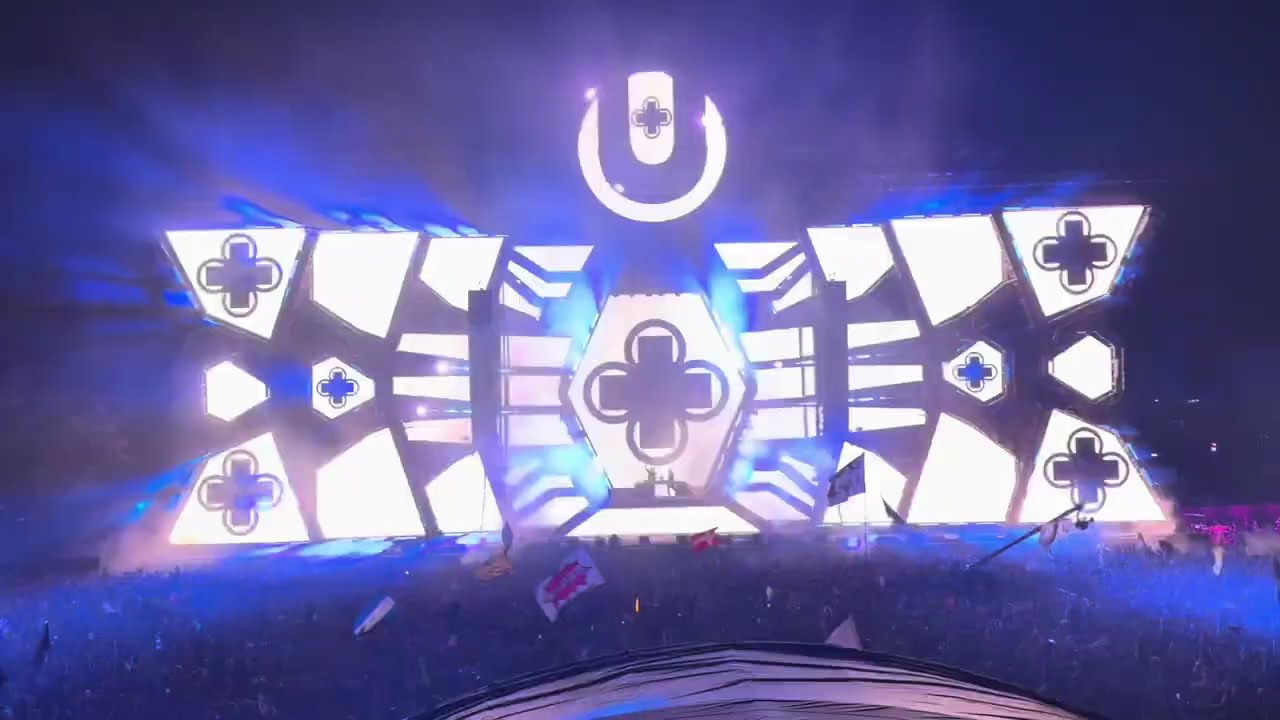
From the moment the two progressive house giants took control of the Main Stage, there was a palpable sense that everyone in attendance understood they were witnessing something unique. Rather than treating the performance as a simple tag-team appearance, Garrix and Alesso approached the set as a fully integrated collaboration. Their chemistry was immediate, effortless, and remarkably natural.
The performance became a celebration of an entire era of electronic music.
Festival anthems that helped define modern dance music culture returned with renewed energy. Massive singalong moments erupted throughout Bayfront Park as classics blended seamlessly with newer material. Tracks such as “Calling,” “If I Lose Myself,” and “Scared To Be Lonely” generated some of the loudest audience reactions of the entire weekend. Instead of relying solely on nostalgia, however, the duo carefully balanced those beloved records with fresh edits, updated production, and unexpected transitions that kept the set feeling contemporary rather than retrospective.
The crowd response was extraordinary.
For nearly the entire duration of the performance, the Main Stage audience appeared locked into a state of collective euphoria rarely witnessed even at festivals of this scale. Every drop landed. Every transition connected. Every melodic build seemed to create another emotional peak. Weeks later, revisiting the set through radio broadcasts and archived footage only reinforces the feeling that this performance will ultimately be remembered as one of the defining progressive house moments of the decade.
If the Garrix-Alesso collaboration represented the emotional centerpiece of the festival, John Summit delivered what many fans consider the most complete solo performance of the weekend.
By now, Summit’s rise from underground favorite to global festival headliner is well documented. What made his Ultra appearance particularly impressive was his ability to balance accessibility and experimentation without sacrificing either.
The set flowed with remarkable precision. Massive crowd-pleasing records sat comfortably alongside darker, heavier selections. Melodic moments transitioned into driving basslines. Commercial appeal never overwhelmed underground credibility. The visual production elevated the performance even further, creating a complete audiovisual experience that felt worthy of a prime-time Ultra slot.
Many artists can command a crowd.
Few can control momentum the way Summit demonstrated throughout his set.
The performance showcased not only why he remains one of the biggest names in electronic music today but also why his trajectory continues pointing upward. Revisiting the recording weeks later reveals countless small details and carefully constructed transitions that were easy to miss amid the excitement of the live environment.
While progressive house and melodic sounds dominated many conversations, one of the weekend’s most talked-about performances arrived from an entirely different corner of the electronic music spectrum.
Sullivan King and Ray Volpe unleashed what can only be described as controlled chaos.
Their back-to-back set became an eruption of heavy bass, relentless energy, and unapologetic aggression. Massive mosh pits formed almost immediately. Crowd surfers appeared everywhere. The performance felt less like a conventional festival set and more like a collision between electronic music, heavy metal, and pure adrenaline.
What made the collaboration particularly memorable was how refreshing it felt compared to more traditional festival programming. Ultra has always celebrated musical diversity, but this performance served as a reminder that bass music continues evolving in exciting directions. Revisiting the set now, the sheer energy remains astonishing.
Not every memorable Ultra moment came from established festival superstars.
One of the biggest surprises of the weekend emerged through BZRP, better known globally as Bizarrap.
While already a major force internationally, his Ultra appearance introduced many festival attendees to a style of electronic performance that felt distinct from the dominant sounds occupying other stages. His rhythmically intricate productions, heavy low-end emphasis, and unique pacing created a refreshing contrast throughout the weekend.
The performance reached another level when Skrillex unexpectedly joined the action, creating one of the most discussed surprise moments of the festival. The collaboration felt organic rather than forced, generating the kind of spontaneous excitement that often defines the most memorable festival experiences.
Weeks later, many fans continue ranking BZRP among the biggest winners of Ultra 2026.
Hard dance enthusiasts found their own standout moment through Holy Priest.
Across fan communities, discussion boards, and festival reviews, Holy Priest consistently appears near the top of conversations regarding the most intense performances of the weekend. For attendees seeking maximum energy, relentless BPMs, and uncompromising hard dance intensity, this was the set that delivered.
The crowd reaction bordered on frenzy.
Every buildup seemed to create another eruption of movement across the audience. Every drop intensified the atmosphere. The performance showcased how significantly harder styles have grown within the broader electronic music landscape and reinforced the genre’s increasing influence on modern festival culture.
Away from the Main Stage spotlight, one of the weekend’s most fascinating developments unfolded inside the upgraded RESISTANCE Megastructure.
The surprise appearance of Vintage Culture alongside Max Styler became one of the festival’s most rewarding underground moments.
Unlike heavily promoted collaborations announced months in advance, this pairing felt genuinely spontaneous. The chemistry between the two artists produced a groove-oriented journey built around sophisticated tech-house rhythms, hypnotic transitions, and understated confidence.
The performance highlighted one of Ultra’s greatest strengths: its ability to create unforgettable moments far beyond its biggest stages.
Inside the Megastructure, surrounded by devoted underground music fans, the set evolved into one of the most celebrated experiences of the weekend.
Another artist who generated significant post-festival praise was Adriatique.
Known for their emotional depth and atmospheric storytelling, Adriatique delivered a performance that many attendees describe as the most beautiful set of the entire festival.
The defining moment arrived through an unexpected remix of RÜFÜS DU SOL.
The reaction was immediate.
Thousands of fans found themselves suspended in one of those rare festival moments where time seems to slow down. The combination of melodic progression, emotional resonance, and immaculate production created an atmosphere that felt almost cinematic.
Weeks later, it remains one of the most revisited and discussed musical moments from the festival.
Of course, not every major performance exceeded expectations.
Perhaps the most debated set of Ultra 2026 belonged to Afrojack.
Expectations were understandably high. His Ultra history includes some of the festival’s most iconic performances, and anticipation increased further with the premiere of “Awake Tonight,” his new collaboration featuring David Guetta and Sia.
The new track itself generated significant excitement and was widely regarded as one of the notable premieres of the weekend.
The overall set, however, received a more divided response.
Many longtime attendees felt the performance lacked the innovation and unpredictability that characterized Afrojack’s most celebrated Ultra appearances. While technically strong and professionally executed, the set struggled to generate the same sense of surprise and momentum that defined many of the festival’s standout performances.
In a different year, it might have been considered perfectly solid.
At a festival filled with extraordinary moments, however, solid was not enough to stand alongside the weekend’s elite performances.
Looking back now, Ultra Music Festival Miami 2026 will likely be remembered as a festival defined by collaboration, musical diversity, and creative risk-taking. From progressive house anthems and underground techno journeys to bass-fueled chaos and emotional melodic storytelling, the event showcased virtually every dimension of modern electronic music culture.
Most importantly, it delivered moments that continue rewarding listeners weeks after the festival ended.
That may be the ultimate measure of a great festival.
The lights fade. The stages disappear. The crowds return home.
But the music remains.
And in the case of Ultra Music Festival Miami 2026, the music sounds just as powerful today as it did the moment it first echoed across Bayfront Park.